
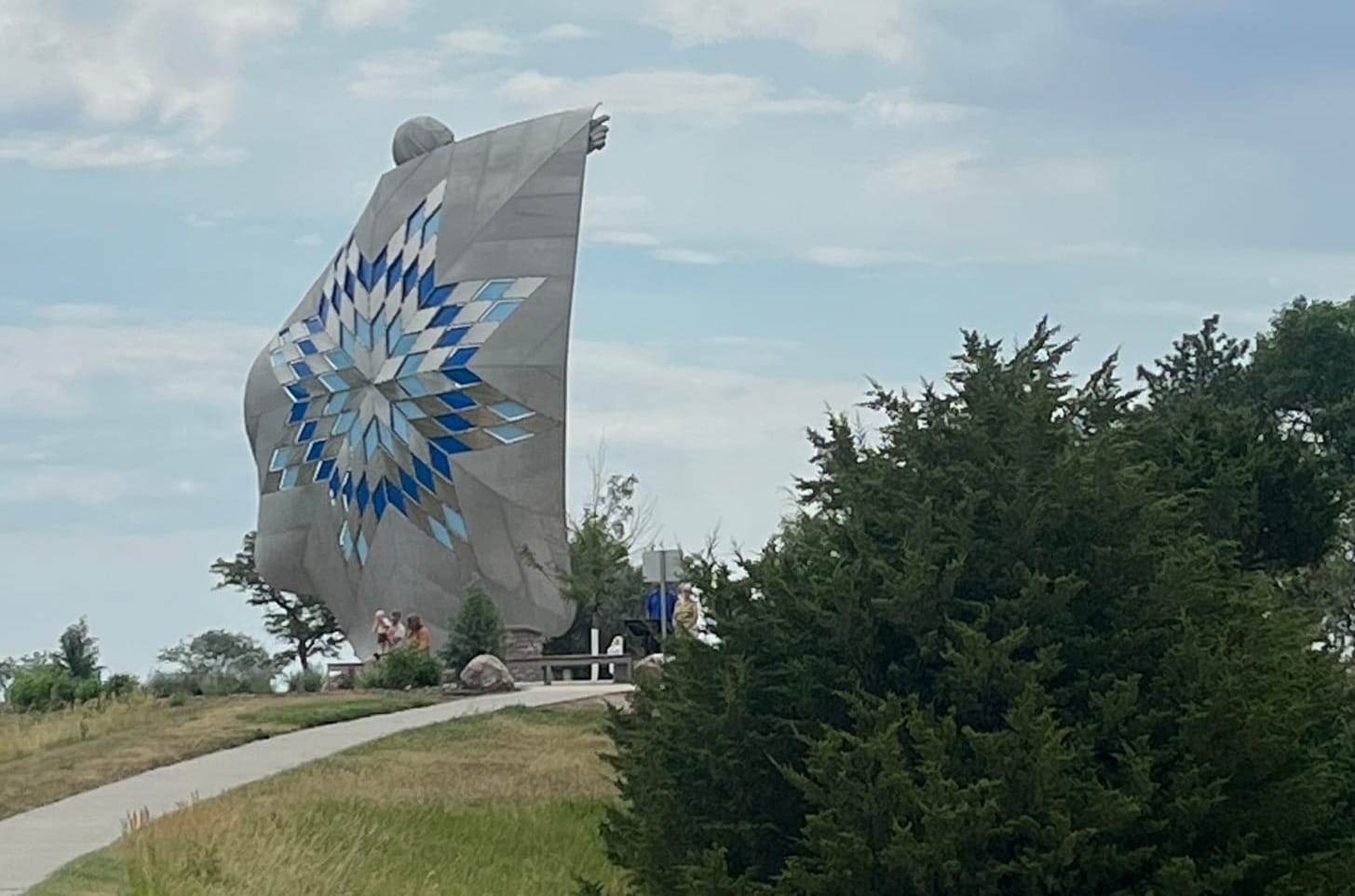
Molly Wetsch/South Dakota News Watch
Some members of the state’s tribal nations are beginning to slowly embrace visitors, as the South Dakota Native Tourism Alliance (SDNTA) works with tribal leaders and organizations to reframe tourism on the nine reservations as an engine for economic development.
Tourism and visitors haven’t always been positive concepts in these communities, Sarah Kills In Water of SDNTA told News Watch. There has long existed on reservations a hesitation to allow outsiders into certain traditional spaces and a general fear of exploitation. That’s especially true in South Dakota, where some Native lands are among the poorest regions in the country.
“When we first entered these spaces, they didn’t want to know about tourism. They already had this idea that we were selling our culture. And so we had to do a lot of work in educating,” Kills In Water said. “But once we did that, their little light bulb started to click on and you could see them starting to dream and starting to think, ‘What can I do?’”
SDNTA was recently awarded the $175,000 J.M. Kaplan Innovation Prize, one of 10 organizations of more than 3,500 applicants to receive ongoing funding, training and resources to grow their efforts.
Native tourism highlights cultural reconnection, historical conversation
Rhea Waldman, executive director of SDNTA, and Kills In Water envision a world in which reservations are crucial destinations for South Dakota visitors, as much as Mount Rushmore National Memorial, Badlands National Park and Crazy Horse Memorial.
“Tourism is, just in South Dakota, a big thing. And so what we’re trying to do is highlight the gems that stand on every single reservation, and they’re very different. Every reservation has their own own cultural pieces, their own stories, they have their own museums,” Waldman said.
Nationwide, tourism on reservations has quietly grown. The Navajo (Diné) nation’s tribal lands are home to iconic natural landmarks like Monument Valley and Antelope Canyon – though hiccups like the COVID-19 pandemic and a drop in international visitors have inhibited some tour operators.
Kills in Water said that many of the possibilities tribal members find the most exciting are outdoor activities that they think travelers will enjoy, which also allows for connection to the land that Indigenous people have called home for thousands of years.
“There’s a lot of ideas surrounding outdoor recreation on the Rosebud reservation. Our people want to take people out on hiking trips and look at our medicines and teach them about the flora and the fauna of our reservation,” Kills in Water said.
Reconnecting Native Americans to their own culture
In addition to economic development, reconnecting with cultural traditions can be beneficial for tribal members as well, promoting greater community connection and leadership development.
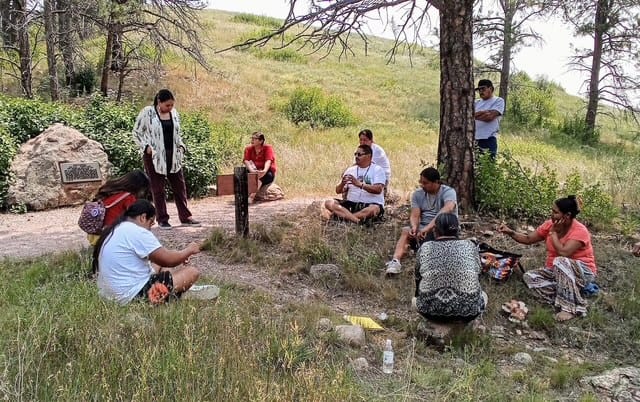
“I see this as the main opportunity to reconnect our people to our culture. Through learning about our culture and reconnecting, they’re going to find ways that they can educate visitors about who we are today. Not in a way that’s exploiting our culture, not selling our ceremonies. But educating our visitors about who we are today, about all of the things that we’ve been through and that we’re still here. Yes, we still have struggles, we’re still challenged. But we’re still here to tell our story,” Kills In Water said.
Several significant historical sites exist on those tribal lands, including the Wounded Knee Memorial on the Pine Ridge Indian Reservation, land which President Donald Trump recently signed legislation protecting.
Visitors interested in the history of the country would find trips to reservations in South Dakota especially insightful, Waldman said.
Tourism on tribal lands, though, will always look different than other trips across the country. The more rural nature of most reservations will change things as well as the inherent cultural conversations that occur when visiting historic sites or witnessing tribal traditions.
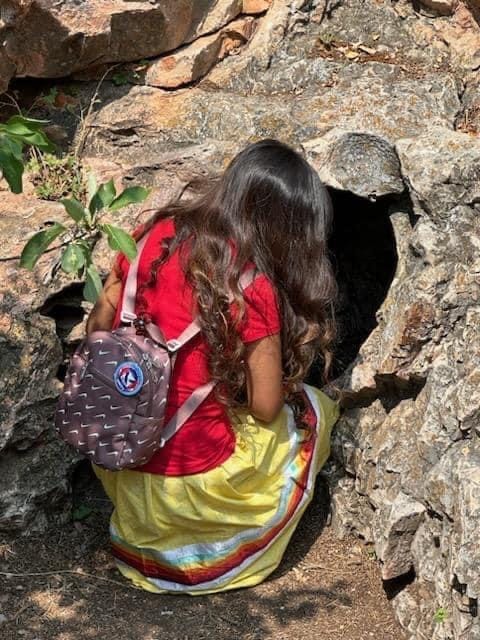
Sherry L. Rupert, CEO of the American Indigenous Tourism Association, said that the experiences tourists are not expecting, especially when it comes to Native culture, are often the most rewarding.
“Oftentimes people don’t know it, but that’s really what they’re looking for – being outside and learning about people that have been here for thousands of years. It changes their perspective of the world. They go back and share that with their families, and it changes who they are as people,” Rupert said.
Barriers to successful tribal tourism
Though the opportunities that a tourist economy holds are enticing to many, there are still barriers to many tribal nations’ entry into the industry.
In South Dakota, where reservations and trust land comprise more than 12% of the land, population centers are few and far between, which can make travel difficult.
Support services may also not be sufficient to accommodate groups of tourists.
“It’s really hard if you have a community that doesn’t have the infrastructure to bring tourists there,” Waldman said. “If the restaurant that we were planning on going to is closed and there aren’t really a lot of other options, and then you’re an hour and a half away from anything else, that is not necessarily helpful.”
And then there’s the challenge of basic economics.
“If you have a community that really wants to build tourism and you have artisans and artists and other people in the tourism industry that are trying to build their business,” Waldman said, you also need an influx of tourists and their dollars in order to support those business owners.
“So that is really the big chicken-and-the-egg situation that we’re in, where that is a real challenge. How do we make sure that we build demand and supply at the same time?”
The balance between allowing tourists into Native communities to learn more about the culture, while also protecting sacred spaces is also a challenge, Waldman said. Tribal members’ level of comfort with tourist engagement varies greatly, so any ongoing work requires tailored plans for each tribe.
Bus tour company Trafalgar launched a “National Parks and Native Trails of the Dakotas” trip in 2022, which made stops on reservations in North Dakota and South Dakota, including the Pine Ridge, Rosebud and Standing Rock reservations.
Though Waldman said large tours can often be difficult to navigate when it comes to lodging, meals and other logistics, continued partnerships with tour companies like that allow for further visibility among potential visitors.
“We’re trying to navigate this place and say, ‘What are you looking for?’ Because we don’t want to create something that no one takes. And there are some that say, ‘You create what you want to create. We will find the right people.’ Those are exactly the partners and the partnerships that we need,” Waldman said.
State support crucial for ongoing tourism efforts
In 2016, South Dakota Republican U.S. Sen. John Thune co-sponsored the bipartisan NATIVE Act – or the Native American Tourism and Improving Visitor Experience Act.
That legislation was unanimously approved by the Senate and ensures that tribal nations are represented among federal agencies working within the tourism industry, that continued infrastructure development is supported and that data is collected and analyzed surrounding tribal tourism.
“South Dakota is rich in the culture and traditions of the Lakota, Dakota, and Nakota nations,” Thune said in a statement after the legislation passed. “We should do all we can to help celebrate and recognize the numerous and oftentimes invaluable contributions our tribal communities provide to our state.”
Rupert told News Watch that ongoing collaboration with state and federal tourism agencies is crucial to ensuring ongoing exposure for tribal experiences.
Travel South Dakota, which promotes the state as a vacation destination, did not respond to requests for comment for this story. The agency hosts a list of ways to experience Native culture in South Dakota on its website, including several attractions on tribal lands.
“Support from the state destination marketing organization or the state tourism office is necessary. They’re tasked with marketing all the destinations and experiences in your state, and that should include the Indigenous offerings as well,” Rupert said.
Waldman said that working with the state’s tourism office has allowed SDNTA to understand what visitors are looking to get out of experiences, how to market them and how to use data to their advantage.
“There’s definitely places where working together is really important because they have a huge budget for marketing, for example. They have a lot of contacts. So they’re helping us to get the word out and also make sure that we are at the table to make some of the bigger decisions,” Waldman said.
South Dakota is well known for several attractions with connections to Native culture – especially in the Black Hills, the traditional sacred lands of the Lakota and other Native people. But Waldman and Kills In Water hope that visitors see the value in visiting tribes where they currently exist.
“What we hope to create are these powerful connections between our guests and who we are,” Kills In Water said. “We want them to see us for who we are, not for what they think we are, not for what they’ve been told we are by somebody else. We want to share, authentically, our story with every person who comes, who has an interest to learn.”