
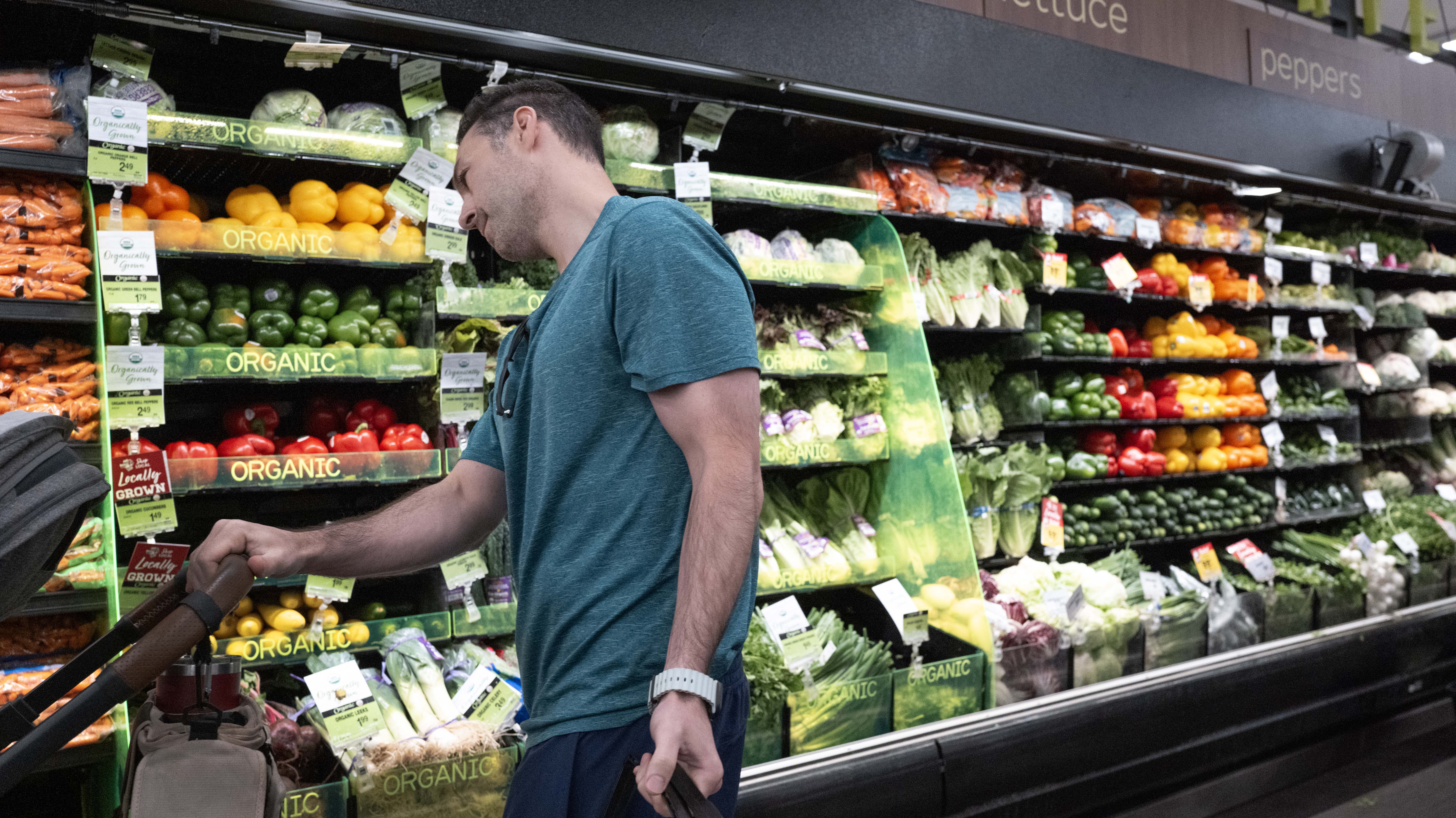
Grocery prices ticked lower in September, according to the latest government data, cooling off slightly from a surge earlier this year.
The drawdown provides some relief for shoppers, but they may notice uneven price changes as they browse different parts of the grocery store.
Costs dropped last month for meat, ice cream and bread, among other foods. However, prices climbed for the likes of coffee, candy and fresh fruit.
Overall, grocery prices dropped 0.1% on a seasonally adjusted basis last month, leaving them 1.8% higher than a year earlier, U.S. Bureau of Labor Statistics (BLS) data released on Thursday showed.
That year-over-year figure came in well below the overall inflation rate of 3.7%, making grocery prices a bright spot in the government report.
A leap in food prices earlier this year stemmed in part from a historic oil shock set off by the Iran war, which pushed up diesel costs. Higher fuel costs for trucks and ships meant price hikes in grocery aisles as the increased costs were passed down the supply chain.
Diesel prices remain highly elevated but the pass-through to consumers appears to have eased, at least for some products.
Meat prices, for instance, dipped 0.9% in September, putting them 1.3% higher than a year earlier.
The cooldown in meat prices hit a range of products, including bacon, which costs 3.3% less than it did a year ago. Chicken prices fell in September, though they still stand 1.3% higher than a year ago.
Some food items have undergone a significant reduction in price, according to the BLS. Egg prices plummeted more than 20% over the year ending in September, indicating continued recovery from a shortage caused by an outbreak of bird flu.
Butter prices plunged 10.3% last month compared to a year earlier, while prices for ice cream, milk and cheese each fell more than 2% over that period.
By contrast, prices rose for some popular food items.
Perishable foods like produce and some meats are particularly sensitive to a rise in diesel costs, since their short shelf life leaves them especially vulnerable to sudden increases in supply-chain costs, some analysts previously told ABC News.
Seafood prices have jumped more than 6% over the past year, while uncooked ground beef has climbed 5.4% over that period. Some good news could be found for uncooked ground beef, which fell 0.8% from August to September, suggesting a trend in the right direction.
Prices for fresh fruits and vegetables jumped 4.9% in July compared to a year earlier, the BLS report showed, putting them above the overall inflation rate.
Apple prices climbed 7.5% in September from a year prior, while tomatoes surged 6.8%, according to the BLS.
Grocers in the U.S. import a large share of their tomatoes from Mexico, but weather-related damage in that country has slashed tomato output. A resulting dearth of supply has failed to keep up with demand, pushing up prices. At the same time, a tariff on tomatoes from Mexico took effect last year, ratcheting up costs for foreign suppliers.
Drought-related shortages have helped drive a rise in coffee prices, which climbed more than 7% over the year ending in September.
Copyright © 2026, ABC Audio. All rights reserved.