
Meghan O’Brien/South Dakota Searchlight
Refugee resettlement fell sharply in South Dakota during the last federal fiscal year, and no refugees have arrived in the state during the past 11 months, according to the agency that manages the program.
A new report from Lutheran Social Services of South Dakota says 149 refugees resettled in the state during the 2025 fiscal year that ended in September, down from 391 in 2024. Nationally, refugee arrivals fell from 100,034 to 38,102.
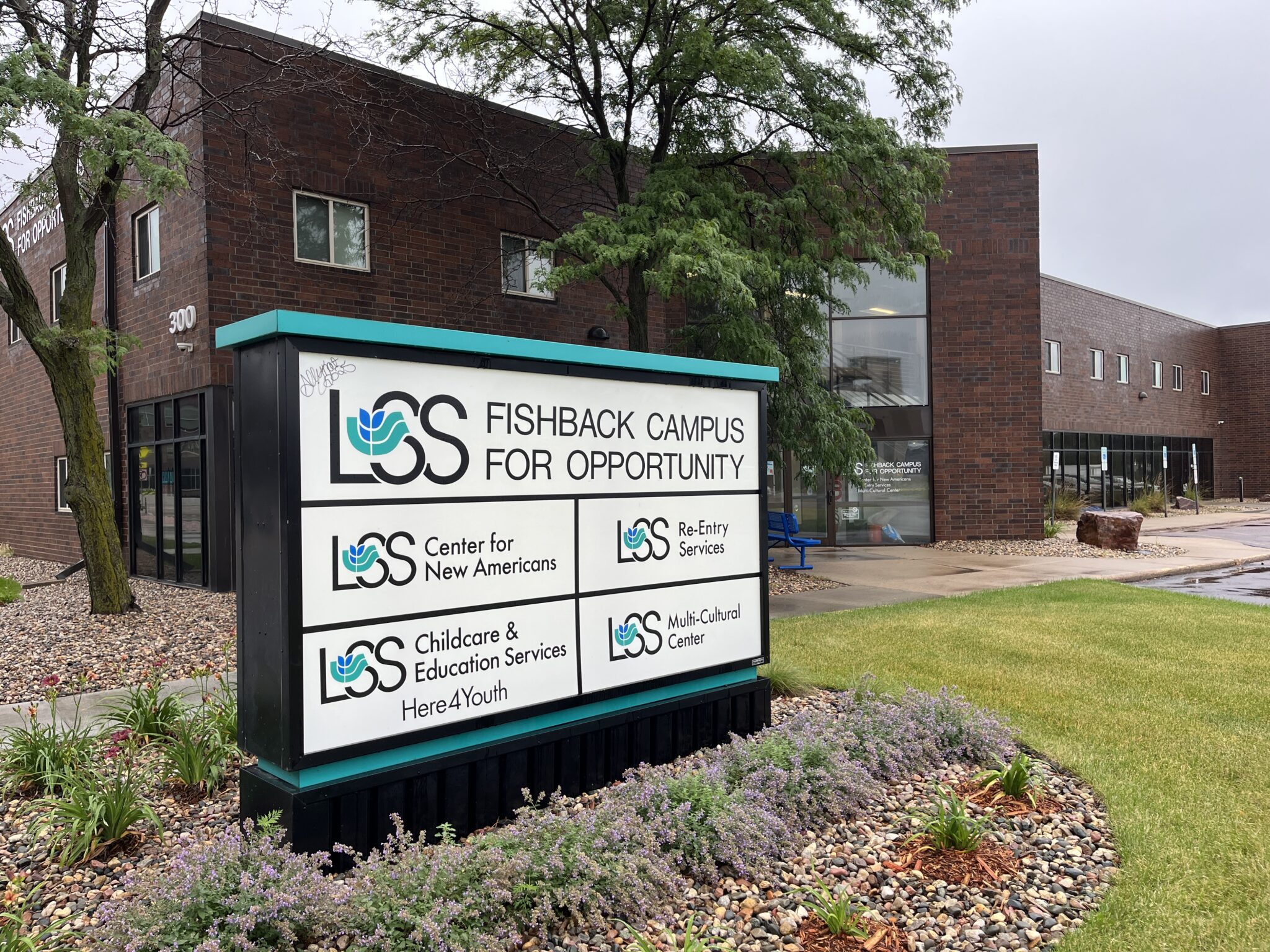
Lutheran Social Services has overseen refugee resettlement in the state for the past 25 years and works alongside the U.S. Department of Health and Human Services and Department of State. Rebecca Kiesow-Knudsen is the group’s president and CEO.
“We work with those federal partners to provide assistance to arrivals,” she said. “From the day the door to the plane opens, we are trying to work with that individual or that family to make sure that they are successful in their new community.”
Lutheran Social Services helps refugees find employment, housing and education. It also provides cultural education programming, English language training and legal services.
Refugees are people who flee their country to escape war, natural disaster, or persecution.
“Those refugee populations, if you look over the course of history, are always based on where the conflicts are in the international community,” Kiesow-Knudsen said. “It always shifts based on global conflict.”
The president decides how many refugees the nation accepts. President Joe Biden established the admissions cap for fiscal year 2025 at 125,000 refugees.
President Donald Trump set the lowest admissions cap in U.S. history for the current fiscal year at 7,500, and said those admission will be allocated primarily to white South Africans of European descent, who are known as Afrikaners.
That’s why Kiesow-Knudsen doesn’t expect to see many new refugee arrivals to the state any time soon.
“If there’s a case that is approved that has a connection to South Dakota, we might see an arrival,” she said.
Many of the new arrivals to South Dakota between October 2024 and September 2025 are Somalian or Congolese. Millions of people from countries in central and east Africa have been displaced due to conflict, violence and environmental disasters.
Those displacement factors are just one part of how different populations come to resettle in South Dakota. The resettlement program has historically been a family reunification effort. The first piece of information the federal government looks for is family ties, according to Kiesow-Knudsen.
“They’re always looking for ways that they can help people be the most successful in integrating into the country,” she said. “What we know is that people are more successful if they’re close in proximity to your family members.”