
Makenzie Huber/South Dakota Searchlight
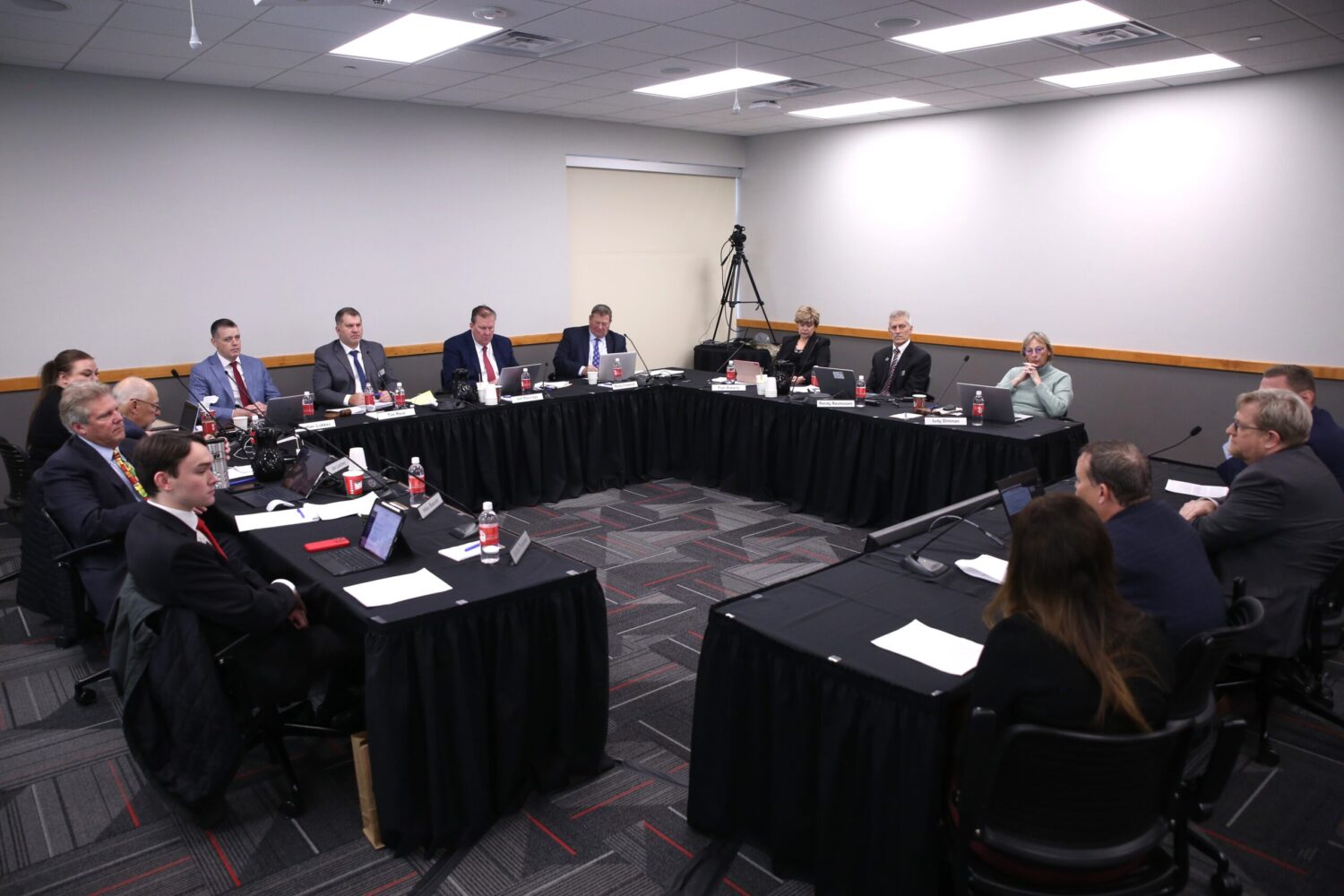
The board overseeing South Dakota’s public university system increased in-person tuition by 2.4% systemwide at its Wednesday meeting in Custer, while approving a higher increase of 5% for South Dakota Mines.
Heather Forney, South Dakota Board of Regents vice president of finance and administration, told board members the increase is tied to staff and faculty salary increases. The Legislature approved a 1.4% raise for state employees during its 2026 session.
Forney said the tuition increase is also driven by “significant” increases in technology costs across the system, which rise annually around 4% to 7%.
Griffin Petersen, the student representative to the South Dakota Board of Regents, called the increases “pretty modest.”
“It ensures we continue to deliver a level of quality that prepares our students for the workforce and for their lives beyond school,” Petersen said.

Tuition at South Dakota Mines will rise 5% due to more experiential and “cost intensive” learning, Forney said. The Rapid City university specializes in science, technology, engineering and mathematics.
This is the second straight year the system has increased tuition, after three years of legislatively aided tuition freezes. The average annual tuition and mandatory fee cost for an in-state undergraduate student will increase from $9,651.50 to $9,914.90, an increase of $263.40.
In a regional survey of surrounding states during the 2025-26 school year presented to the board in April, South Dakota ranked fourth highest among seven states for undergraduate resident tuition and fees and third highest for graduate resident tuition and fees. For nonresidents, South Dakota ranked second lowest for both undergraduate and graduate tuition and fees.
Tuition will also beyond 2.4% for several programs: an 8% increase in Ph.D. programs at Dakota State University and 5% increases at the University of South Dakota’s law and medical schools. Forney said the medical school increase is tied to “significant costs we’ll be dealing with” as the school moves from Vermillion to Sioux Falls.
The board also approved a 2.2% increase in the mandatory general activity fee students pay systemwide, with exceptions at South Dakota State University and Black Hills State University where the fees will hold steady.
At South Dakota State University, a wellness center bond will be paid off, and the $1.83 per credit hour general activity fee previously covering that debt will be redirected toward career development, student organization funding and student union maintenance. Black Hills State University is in a similar position — a bond expiring there will free up $6.57 per credit hour, which the university will redirect to comparable student services.
Dual credit tuition for South Dakota high school students taking college courses will increase 2.4%, raising the student cost per credit hour to $80.37. The state Department of Education covers the other half.