
John Hult/South Dakota Searchlight
She’s a single mother now.
The sole breadwinner. The primary source of support when her 2-year-old throws a fit. The one who has to make sure her 9-year-old makes it to his counseling appointments.
The fits are more frequent now, the counseling new. Both developments, she said, ripple from the loss of the children’s father — her husband — from their Huron home nearly eight months ago.
They know where he is, she said: living with his parents in Guatemala, where he was deported last year. His U.S. family can hear his voice, but they can’t hug him, hold his hand or rely on him for financial or emotional help.
He is in his mid-30s. He came to Huron as a teen without legal status 20 years ago, his wife said. They were married in 2014.
“There are moments where I break down, especially when my 9-year-old asks, ‘Where’s daddy?’ and ‘When is he coming back?’ Those questions are the hardest to answer,” she said.
South Dakota Searchlight confirmed details of the couple’s story and granted them anonymity, due to their concerns about retaliation and about jeopardizing any future reunion.
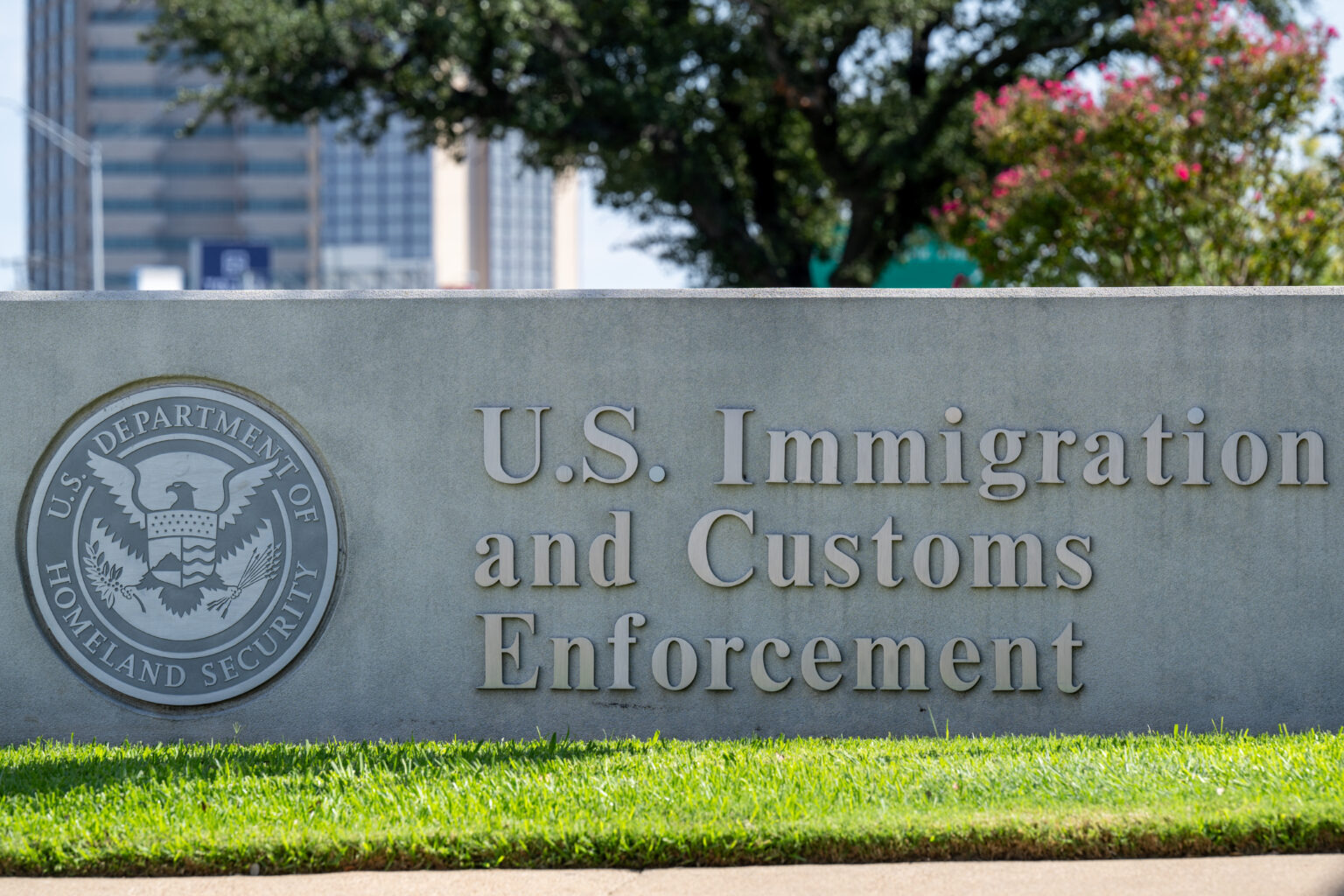
The two have built a life in Huron with their children. He worked odd jobs, she said, since he lacked a work visa. She said U.S. Immigration and Customs Enforcement detained her husband outside their home in August. ICE confirmed to Searchlight that the man was later removed from the country.
Their family has explored ways for him to obtain legal status through multiple lawyers, she said, spending thousands of dollars along the way, and each time getting the same answer: It’s not feasible under current law. They don’t have a lawyer now.
Though she is a U.S. citizen, immigration law imposes requirements for its pathways to legal status for those who marry U.S. citizens, and few are available for those who entered the country without permission.
In the month that followed his arrest, he was transferred multiple times to different detention facilities, she said, “and then I lost contact with him completely.”
The days between that moment and when she heard from him again after his return to Guatemala “were some of the darkest days of my life.”
ICE says man deported in 2010, returned to U.S.
The Huron mother confirmed her first and last names and her husband’s name to South Dakota Searchlight, as well as dates and details of her husband’s deportation.
She wanted to share their story to counter the federal government’s assertions that it is targeting violent criminals for removal. Her husband, she said, doesn’t fit that description — he committed no violent crimes while living in the country. A South Dakota Searchlight check of criminal records in state and federal court returned two tickets for driving without a license a decade ago.
The Minnehaha County Jail detained her husband in August, only as a hold for ICE, Warden Mike Mattson said.
ICE told Searchlight in an email that the man was removed from the U.S. in 2010 and “committed a federal felony” by returning to the country without permission.
At least 295 arrested in South Dakota
The nonprofit Deportation Data Project lists 295 administrative arrests by ICE in South Dakota between Jan. 20, 2025 — the date President Trump took office — and Oct. 15, 2025, the most recent data available. The nonprofit builds its datasets from data posted by ICE or provided by ICE through federal Freedom of Information Act requests.

The South Dakota Highway Patrol began a series of saturation patrols during the summer called Operation Prairie Thunder, which have continued in cities across the state. The patrol signed an agreement that allows it to detain people on behalf of ICE, and Gov. Larry Rhoden said in his State of the State address in January that troopers had “handed over” 63 people to ICE in the course of the operation. The state’s most recent press release on the operation put that figure at 71.
Taneeza Islam, the director of the immigration advocacy group South Dakota Voices for Peace, said she’s concerned that South Dakotans see larger scale immigration enforcement operations in urban areas and conclude that ICE arrests aren’t happening in their state.
“We are here to say that it is happening here,” Islam said. “And it doesn’t matter if it’s one family or 5,000. The impact on that family, the impact on that community, is real.”